Islamic Finance vs Conventional Loan in Pakistan: Which One Should You Choose?
If you are planning to buy a house or a car in Pakistan in 2026, you have two financing paths: Islamic banking products or a conventional interest-based loan. Both let you own an asset while paying in monthly installments, but the underlying structure — and in some cases the total cost — is very different.
This guide breaks down exactly how each system works, compares the most popular products from banks like Meezan Bank, HBL, and Bank Alfalah, and helps you calculate your monthly payment using the free UtilVox EMI Calculator before you sign anything.
What Is Islamic Finance?
Islamic finance is a banking system based on Shariah law, which prohibits riba (interest). Instead of charging you interest on a loan, Islamic banks structure transactions as partnerships, cost-plus sales, or lease agreements.
The three most common Islamic financing products in Pakistan are:
1. Murabaha (Cost-Plus Sale)
The bank buys the asset you want (a car, equipment, raw materials) and sells it to you at a disclosed profit margin. You pay back in installments. The profit rate is fixed upfront — it cannot increase after the contract is signed.
Used for: Car financing, business goods financing, personal finance.
Example: You want to buy a Honda Civic worth PKR 8,500,000. Meezan Bank buys the car and sells it to you for PKR 10,200,000 (including their fixed profit). You pay this in 60 monthly installments of approximately PKR 170,000.
2. Diminishing Musharakah (Shared Ownership)
You and the bank jointly own the property. You pay monthly rent for the bank's share, and gradually buy out the bank's portion over the loan tenure. As your ownership percentage increases, your rental payment decreases. At the end of the term, you own 100% of the property.
Used for: Home financing, commercial property.
Example: You buy a PKR 20,000,000 house. You contribute PKR 4,000,000 (20%) and the bank contributes PKR 16,000,000 (80%). Each month you pay rent on the bank's 80% share plus a unit purchase installment. Over 20 years, you buy out the bank's share completely.
3. Ijarah (Lease-to-Own)
The bank buys and owns the asset, then leases it to you. At the end of the lease period, ownership transfers to you, either as a gift or for a nominal price. You pay monthly rent instead of EMI.
Used for: Car financing, heavy machinery, commercial vehicles.
What Is a Conventional Loan in Pakistan?
A conventional bank loan charges interest on the outstanding principal. In Pakistan, most conventional home and car loans are priced against KIBOR (Karachi Inter-Bank Offered Rate) plus a fixed spread, making them variable-rate products. When KIBOR rises, your monthly payment increases. When it falls, it decreases.
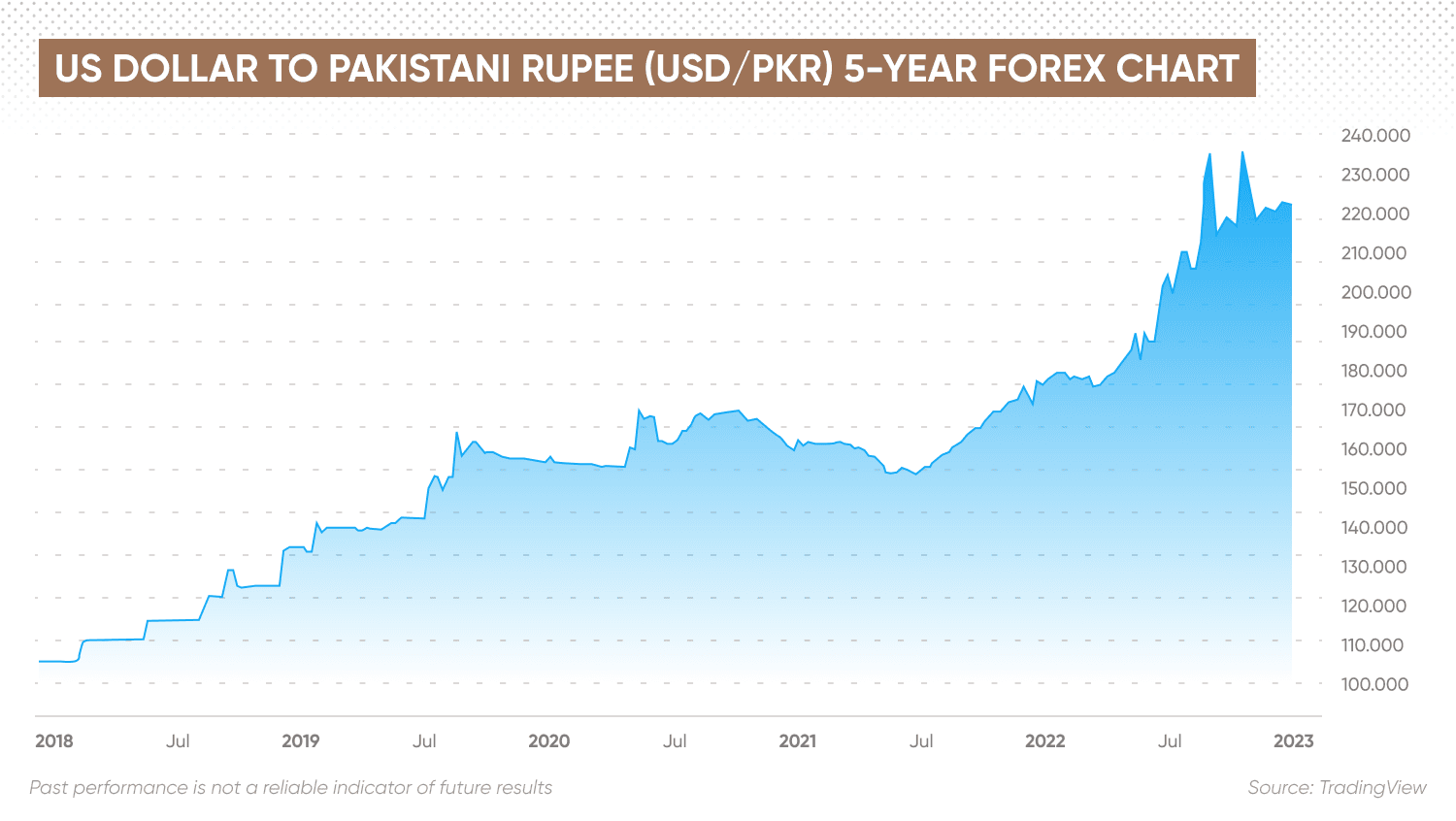
Current KIBOR rate (2026): The State Bank of Pakistan's monetary policy directly affects KIBOR. As of 2026, after a series of rate cuts, KIBOR has come down significantly from its 2023 peak, making conventional loans more competitive than they were 2-3 years ago.
Common conventional products:
- HBL Home Loan (variable rate, KIBOR + spread)
- UBL Personal Loan (fixed rate)
- Bank Alfalah Car Loan (variable rate)
- National Bank of Pakistan home finance
Islamic Finance vs Conventional Loan: Key Differences
| Feature | Islamic Finance | Conventional Loan |
|---|---|---|
| Basis | Profit rate (fixed or variable) | Interest rate (usually KIBOR-linked) |
| Riba (interest) | Not applicable | Core component |
| Rate type | Usually fixed (murabaha, ijarah) | Usually variable (KIBOR-linked) |
| Early repayment | Rebate at bank's discretion | Prepayment penalty may apply |
| Ownership during tenure | Shared (musharakah) or bank-owned (ijarah) | You own, bank has lien |
| Shariah compliance | Yes | No |
| Documentation | Similar | Similar |
| Processing time | 7–21 days | 7–21 days |
Home Financing in Pakistan: Islamic vs Conventional (2026)
Islamic Home Financing
Meezan Bank — Meezan Easy Home (Diminishing Musharakah)
- Minimum finance: PKR 500,000
- Maximum finance: PKR 100,000,000
- Tenure: Up to 20 years
- Profit rate: Fixed for first 1-5 years, then reviewed periodically
- Processing fee: 0.2% to 0.5% of finance amount
Dubai Islamic Bank Pakistan — Home Finance
- Diminishing Musharakah structure
- Tenure: Up to 25 years
- Competitive profit rates
Bank Alfalah Islamic — Home Finance
- Available in all major cities
- Flexible tenure options
Conventional Home Financing
HBL Home Loan
- Based on KIBOR + spread
- Tenure: Up to 25 years
- Variable monthly payment based on KIBOR movement
MCB Home Loan
- KIBOR-linked variable rate
- Minimum finance: PKR 500,000
Which Is Cheaper for Home Financing?
The honest answer: it depends on the current KIBOR rate and how long you plan to hold the loan.
When KIBOR is high (as it was in 2023-2024), Islamic fixed-profit financing often works out cheaper because your rate is locked. When KIBOR drops significantly, conventional variable-rate loans can become competitive.
Use the UtilVox EMI Calculator to compare both scenarios:
- Enter the loan amount, Islamic profit rate, and tenure → get Islamic monthly payment
- Enter the same amount, current KIBOR + spread, and tenure → get conventional monthly payment
- Compare total repayment amounts
This 60-second calculation can save you hundreds of thousands of rupees over a 20-year tenure.
Car Financing in Pakistan: Islamic vs Conventional (2026)
Islamic Car Financing
Meezan Bank — Car Ijarah
- Pakistan's most popular Islamic car financing product
- Structure: Ijarah (lease)
- 20% to 30% down payment typically required
- Tenure: 1 to 5 years
- Fixed monthly rental — does not change with KIBOR
- Available for new and used cars (up to 5 years old)
Bank Alfalah Islamic — Auto Finance
- Murabaha structure
- Competitive profit rates
- Wide dealer network
Dubai Islamic Bank — Auto Finance
- Murabaha and Ijarah options
- New and used vehicles
Conventional Car Financing
HBL Car Loan
- KIBOR-linked rate
- 15% to 30% down payment
- Tenure: Up to 7 years
Faysal Bank Car Finance (conventional)
- Fixed rate options available
- Quick approval process
Which Is Better for Car Financing?
For car financing, Islamic Ijarah and Murabaha have one significant advantage: the fixed rate. With a conventional KIBOR-linked car loan, your monthly payment can increase if the SBP raises rates — which has happened dramatically in Pakistan's recent history.
With Meezan Car Ijarah, your monthly rental is fixed on day one and does not change for the life of the contract. For people on a fixed salary, this predictability is extremely valuable.
How to Calculate Your Monthly Payment
Whether you choose Islamic or conventional financing, you will pay a monthly amount (installment or rental). Use the UtilVox EMI Calculator — it is free, works in PKR, and gives you results in seconds.
For Islamic financing: Enter the total murabaha price (not the asset cost) as the loan amount, set interest rate to the equivalent profit rate, and enter your tenure in months.
For conventional financing: Enter the principal amount, current KIBOR + spread as the interest rate, and your tenure.
The calculator shows you:
- Monthly installment (EMI)
- Total payment over the tenure
- Total profit/interest paid
Knowing the total interest or profit before signing is essential. A 1% difference in rate on a PKR 20,000,000 home loan over 20 years equals approximately PKR 4,000,000 in additional cost.
Frequently Asked Questions
Is Islamic financing more expensive than a conventional loan? Not necessarily. The rate comparison depends on current KIBOR levels and the specific bank's offer. Always compare using actual numbers via an EMI calculator.
Can non-Muslims take Islamic financing in Pakistan? Yes. Islamic banking products are available to all customers regardless of religion. Shariah compliance applies to the bank's structure, not the customer.
Which banks offer Islamic home financing in Pakistan? Meezan Bank, Dubai Islamic Bank Pakistan, Bank Alfalah Islamic, MCB Islamic, UBL Ameen, Habib Bank Islamic, and Standard Chartered Saadiq all offer Islamic home finance products.
Is early repayment allowed in Islamic financing? Yes. Most Islamic banks allow early settlement. For Murabaha contracts, the bank may grant a rebate on the remaining profit at its discretion. For Ijarah, terms vary by bank.
What documents are required for home financing in Pakistan? Typically: CNIC, last 6-months salary slips or bank statements, property documents, valuation report, and employer letter. Both Islamic and conventional banks require similar documentation.
Final Verdict
Choose Islamic financing if:
- Shariah compliance is a priority
- You want a fixed rate that won't rise with KIBOR
- You are financing a car and want predictable monthly payments
Choose conventional financing if:
- KIBOR is at a historically low level and you expect it to stay low
- You find a fixed-rate conventional product with a better rate than available Islamic options
- You need a more flexible early repayment structure
Before you decide, run both scenarios through the UtilVox EMI Calculator. Five minutes of calculation before signing a 20-year contract is always worth it.